
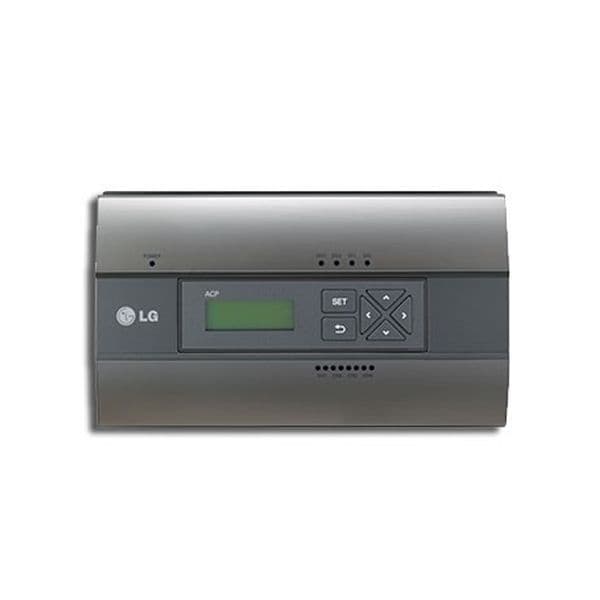
LG PACP4B000 HVAC Controller / Advanced Control Platform IV
The LG PACP4B000 HVAC Controller is an advanced control platform designed for intelligent building management and precise HVAC (Heating, Ventilation, and Air Conditioning) system control. It is part of LG’s Advanced Control Platform IV series, offering enhanced functionality for integration, monitoring, and optimization of HVAC systems in commercial and residential environments. This controller serves as the central unit for managing the various components of HVAC systems, ensuring energy-efficient operation, maintaining optimal indoor air quality, and improving overall system reliability.
Key Features:
- Advanced Control Algorithms: The PACP4B000 incorporates sophisticated algorithms that enable dynamic and efficient control of HVAC systems, optimizing energy use while ensuring comfort levels are maintained.
- Comprehensive Monitoring: Offers detailed monitoring of HVAC parameters, including temperature, humidity, airflow, pressure, and energy consumption, allowing for precise system adjustments in real-time.
- Integration with Multiple HVAC Components: Capable of managing various types of HVAC equipment, including air handling units (AHUs), chillers, variable air volume (VAV) systems, pumps, and fan coils, all from a single control platform.
- Energy Efficiency: Focused on minimizing energy usage, the PACP4B000 supports energy-saving strategies, such as demand-controlled ventilation, temperature setback, and scheduling to reduce overall operational costs.
- User-Friendly Interface: Equipped with an intuitive graphical interface that allows operators to easily monitor and control HVAC system performance, view data logs, and adjust system settings.
- Flexible Communication: The PACP4B000 supports multiple communication protocols, including Modbus, BACnet, LonWorks, and KNX, enabling seamless integration into existing building management systems (BMS).
- Remote Access: Offers the capability for remote monitoring and control through web-based platforms or mobile apps, enabling operators to manage HVAC systems from anywhere.
- Scalability: Designed to be easily scalable, making it ideal for small to large-scale installations. It can be expanded with additional controllers or integrated into a broader smart building ecosystem.
- Maintenance and Diagnostics: Built-in diagnostic tools provide real-time fault detection and troubleshooting alerts, allowing for proactive maintenance and minimizing downtime.
- Compliance: Complies with global standards for HVAC system efficiency and safety, ensuring that installations meet regulatory requirements in various regions.
Technical Specifications:
- Model: PACP4B000
- Control Platform: Advanced Control Platform IV (ACPIV)
- Input Power: 24V AC or DC
- Communication Protocols:
- Modbus RTU/TCP (for communication with PLCs and other control devices)
- BACnet (for integration with BMS systems)
- LonWorks (for integration with decentralized control networks)
- KNX (for integration with smart building systems)
- Inputs:
- Analog Inputs (e.g., temperature, pressure sensors)
- Digital Inputs (e.g., flow switches, occupancy sensors)
- Outputs:
- Analog Outputs (e.g., variable speed drives, valve control)
- Digital Outputs (e.g., relays for HVAC equipment)
- Display: LCD touch screen for local configuration and monitoring
- Control Capabilities:
- HVAC system temperature, humidity, airflow, and pressure control
- Scheduling and energy management
- Fault detection and system diagnostics
- Operating Temperature: -10°C to +50°C (14°F to 122°F)
- Humidity: 0% to 95% non-condensing
- Dimensions: 240 mm x 150 mm x 70 mm (W x H x D)
- Mounting: DIN rail or panel mounting
- Weight: Approx. 1.2 kg
- Certifications: CE, UL, RoHS compliant
Applications:
The LG PACP4B000 HVAC Controller is ideal for a wide range of applications within building automation, including but not limited to:
- Commercial Buildings: Managing HVAC systems in office buildings, shopping malls, hotels, and other commercial spaces to ensure energy efficiency and comfort.
- Industrial Facilities: Optimizing HVAC operations in factories, warehouses, and manufacturing plants to maintain desired environmental conditions and energy efficiency.
- Residential Buildings: Providing advanced control for HVAC systems in large residential complexes, apartment buildings, and smart homes.
- Public Infrastructure: Used in hospitals, schools, and government buildings to control HVAC systems, improve energy efficiency, and reduce operational costs.
- Data Centers: Managing cooling systems for data centers, ensuring efficient cooling of servers while minimizing energy consumption.
- Green Buildings: Ideal for use in environmentally sustainable buildings, contributing to the achievement of LEED or similar green certifications.
Installation & Maintenance Instructions:
- Installation:
- Mounting: The PACP4B000 can be mounted on a DIN rail or directly onto a control panel. Ensure sufficient clearance around the module for proper ventilation and heat dissipation.
- Wiring: Connect the power supply (24V AC/DC) and integrate with the HVAC system via the analog and digital inputs/outputs. Ensure that communication ports are properly wired to the existing control system or BMS.
- Networking: For remote access and integration, connect the module to the network using the supported communication protocols (Modbus, BACnet, LonWorks, KNX). Ensure that network addresses are correctly configured.
- System Configuration: Use the LCD touch screen for initial configuration and setup of HVAC system parameters, including control algorithms, scheduling, and energy management settings.
- Maintenance:
- Visual Inspection: Periodically check the unit for signs of physical damage, dirt accumulation, or overheating. Clean the module with a dry, soft cloth to remove dust and debris.
- System Calibration: Ensure that connected sensors (temperature, humidity, pressure) are calibrated and operating correctly. Recalibrate if necessary.
- Firmware Updates: Ensure that the system firmware is up-to-date for the latest features and security improvements. Updates can be performed via the web interface or locally through the control panel.
- Diagnostics: Use built-in diagnostic tools to check system performance and identify faults. Review data logs for irregularities such as high energy usage or system failures.
- Communication Check: Ensure that communication with external devices (e.g., BMS, HVAC equipment) is functioning properly. Test the network connection periodically to ensure stable data exchange.
Product Recommendations:
If you’re considering similar HVAC controllers with advanced features for integration into smart building or HVAC systems, here are a few alternatives:
| Product | Description | Link |
|---|---|---|
| Johnson Controls Metasys® NAE35 | A network automation engine for integrating HVAC systems with building automation networks. | Johnson Controls Metasys® |
| Siemens Desigo CC | Integrated building management system for managing HVAC, lighting, and other systems. | Siemens Desigo CC |
| Schneider Electric EcoStruxure™ Automation | A comprehensive platform offering advanced control of HVAC and other building systems. | Schneider Electric EcoStruxure |
Advantages of the LG PACP4B000:
- Intelligent Energy Management: The PACP4B000 optimizes HVAC system operation to minimize energy usage while maintaining comfort, offering significant operational cost savings.
- Seamless Integration: Compatible with multiple communication protocols and easily integrates with existing building automation systems.
- User-Friendly Interface: The intuitive LCD touchscreen and web-based interface make system configuration, monitoring, and maintenance quick and easy.
- Remote Control: Remote monitoring and control capabilities allow for increased flexibility and ease of management, even from distant locations.
- Scalability: Its ability to scale makes it suitable for a wide range of applications, from small residential buildings to large commercial complexes.
Conclusion:
The LG PACP4B000 HVAC Controller is a highly advanced, feature-rich solution for managing HVAC systems in various commercial, industrial, and residential applications. With its focus on energy efficiency, real-time monitoring, and ease of integration with existing systems, the PACP4B000 stands out as a versatile and reliable choice for building automation and smart HVAC control. Whether you’re looking to optimize energy consumption, improve indoor comfort, or streamline system management, this controller offers the tools necessary to enhance HVAC system performance.