Product Description
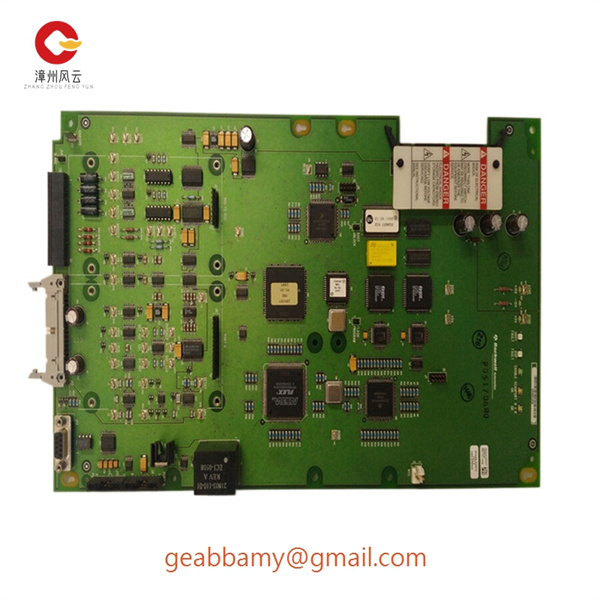
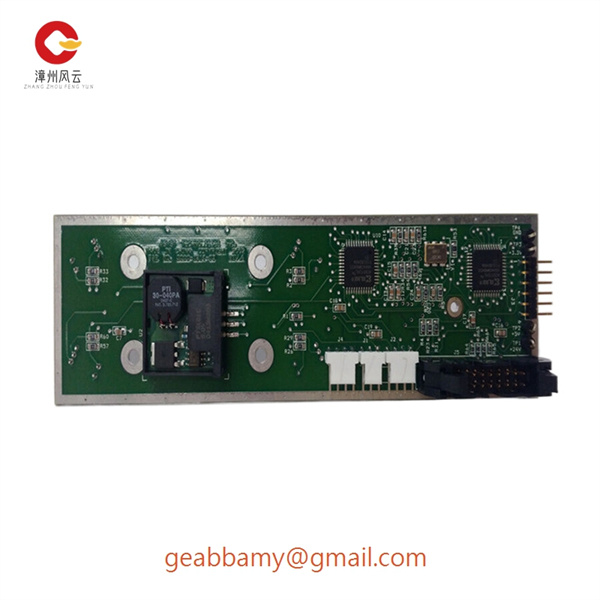
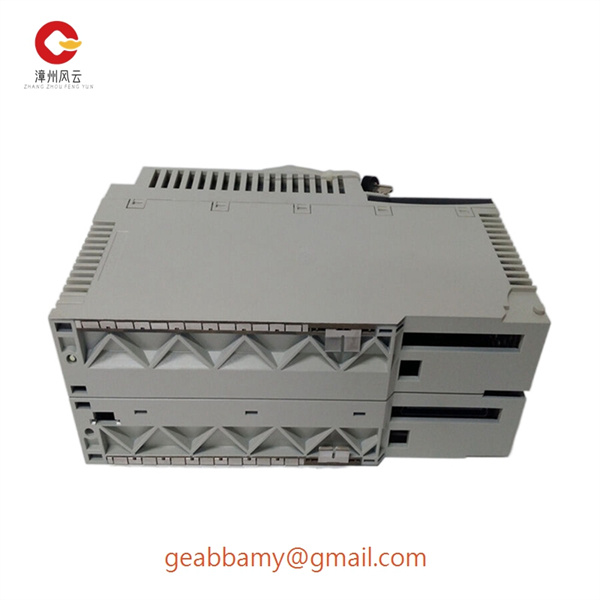
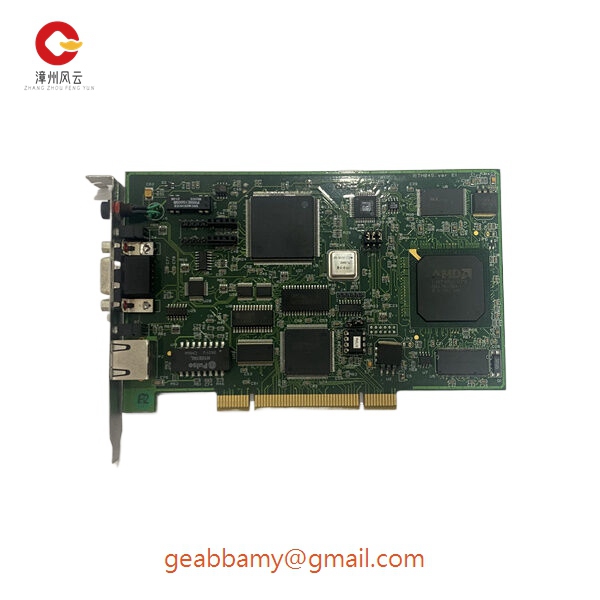
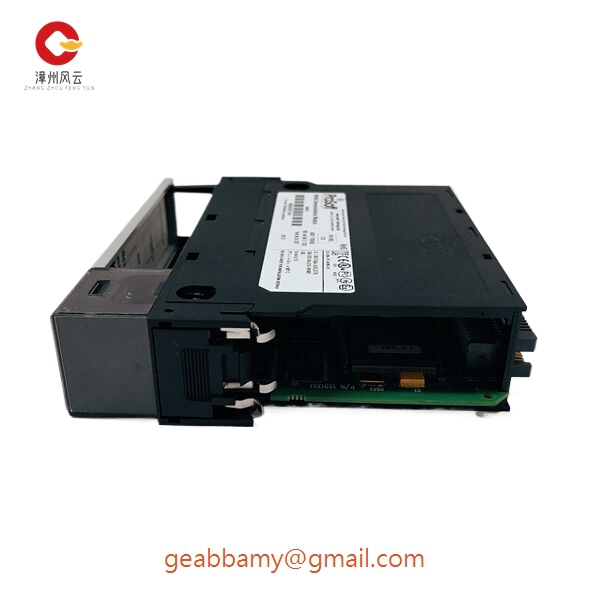
The Yokogawa AIP578 is an electrical transceiver module associated with Yokogawa CENTUM CS and CENTUM VP distributed control systems. It is used in remote I/O communication infrastructure to support signal transmission between distributed system nodes.
The AIP578 is commonly identified as an Electrical Transceiver RIO I/O Module and is associated with V-Net repeater applications. It provides a communication interface for extending remote I/O network connections in industrial process control installations.
This module is a communication component rather than a conventional analog or digital signal acquisition card. It should not be confused with standard 4–20 mA analog input modules or digital I/O modules.
The AIP578-S1 designation is also found in supplier listings, including the associated identification code S9390DH-00. Confirm the complete model suffix and hardware label before ordering, as different listings provide conflicting descriptions of the product.
Product Parameters
- Brand: Yokogawa
- Model: AIP578
- Product Name: Electrical Transceiver Remote I/O Communication Module
- Product Series: CENTUM CS / CENTUM VP
- Module Type: Electrical Transceiver / RIO Communication Interface
- Main Function: Remote I/O network communication
- Network Association: V-Net / V-Net Repeater
- Application: Distributed control system communication infrastructure
- System Compatibility: Verify exact CENTUM system and repeater configuration
- Communication Connector: Confirm from physical module and system documentation
- Transmission Rate: Not confirmed
- Maximum Transmission Distance: Not confirmed
- Operating Voltage: Not confirmed
- Power Consumption: Not confirmed
- Installation: Compatible communication equipment or repeater assembly
- Dimensions: Not confirmed
- Weight: Approximately 0.4 lb listed by an industrial distributor; verify actual shipping weight
- Country of Origin: Not confirmed
- Product Status: Legacy product; verify availability
- Discontinued: Reported as discontinued by an industrial distributor; confirm with Yokogawa
Main Features
- Remote I/O Communication: Supports communication infrastructure connecting distributed control-system equipment.
- Electrical Transceiver Function: Provides an electrical communication interface within the supported network arrangement.
- V-Net Network Association: Designed for applications involving Yokogawa V-Net communication equipment.
- Repeater Application: Used in compatible repeater configurations to support network extension.
- Industrial DCS Integration: Intended for Yokogawa distributed control environments.
- Compact Module Design: Suitable for installation within compatible control-system equipment.
Installation and Commissioning
- Verify the complete AIP578 model designation, including any S1 suffix and identification code.
- Confirm that the installed CENTUM system and V-Net repeater equipment support the module.
- Check the equipment documentation for the correct mounting position and connector arrangement.
- Isolate the relevant equipment and follow approved electrical maintenance procedures.
- Inspect the module contacts, connectors, and communication cables for damage.
- Install the module in the designated position according to the applicable Yokogawa equipment instructions.
- Confirm that the connected communication equipment uses the correct interface and cable arrangement.
- Power up the equipment and inspect available status indicators.
- Verify communication between the connected nodes using the system maintenance and diagnostic tools.
- Confirm stable communication before returning the associated control system to normal operation.
Do not connect the AIP578 directly to a controller or I/O unit unless the documented network architecture specifically permits that connection. Its intended use is associated with compatible transceiver and repeater equipment.
Daily Maintenance and Care
- Check communication status and network diagnostic messages.
- Inspect electrical connectors for looseness, oxidation, or contamination.
- Check communication cables for damage and excessive bending.
- Monitor repeater and remote-node communication errors.
- Maintain cabinet ventilation and operating temperature within the equipment specifications.
- Record intermittent communication failures and investigate cable or connector problems.
- Keep a verified spare module available for legacy DCS maintenance where required.
- Confirm module identification before replacing any installed communication hardware.
Troubleshooting and Common Questions
Q1: What is the function of the Yokogawa AIP578?
It is identified as an electrical transceiver remote I/O communication module used in Yokogawa control-system communication infrastructure.
Q2: Is AIP578 an analog input module?
No. Industrial distributor descriptions identify it as an Electrical Transceiver RIO I/O Module. Listings describing it as a conventional analog input card should be treated cautiously.
Q3: Which control systems use AIP578?
It is associated with Yokogawa CENTUM CS and CENTUM VP communication environments. Exact compatibility depends on the installed repeater and network configuration.
Q4: Is AIP578 used with V-Net?
Yes. Supplier documentation associates the module with V-Net repeater applications. Confirm the exact network equipment and connection requirements before installation.
Q5: Can AIP578 replace another Yokogawa communication module?
Not automatically. Connector arrangements, network interfaces, hardware revisions, and system configuration must match.
Q6: Why does the module fail to communicate?
Possible causes include incorrect module installation, incompatible repeater equipment, damaged cables, connector contamination, or a network configuration problem. Check both ends of the communication link and review system diagnostics.
Q7: Is AIP578 still manufactured?
An industrial distributor reports the model as discontinued. Current lifecycle status and replacement availability should be confirmed with Yokogawa.
Recommended Related Yokogawa Models
The following are related Yokogawa control-system and communication products. They are not confirmed direct replacements for AIP578.
- AIP578-S1 – Electrical Transceiver RIO Module Variant
- S9390DH-00 – Identification code associated with AIP578-S1 listings
- AIP502 – CENTUM Communication Module
- AIP504 – CENTUM Communication Module
- AIP521 – Communication Interface Module
- AIP532 – Communication Module
- AIP602 – Communication Module
- AIP826 – Communication Interface Module
- AFV10D – CENTUM VP Field Control Unit
- AFV30D – CENTUM VP Field Control Unit
- AFV40D – CENTUM VP Field Control Unit
- AAI141 – Analog Input Module
- AAI143 – Analog Input Module
- AAI543 – Analog Output Module
- ADV551 – Digital Output Module
Verify the full model codes and system compatibility before selecting any related module as a replacement.
Safety Precautions
- Confirm the complete module identification and hardware revision before installation.
- Use only the documented communication interfaces and approved cable arrangements.
- Do not connect the module to an unverified network or repeater configuration.
- Isolate equipment according to site electrical safety procedures before handling connectors.
- Do not remove or replace communication modules without assessing the effect on remote I/O communication.
- Perform communication checks and system diagnostics before returning equipment to service.