Product Description
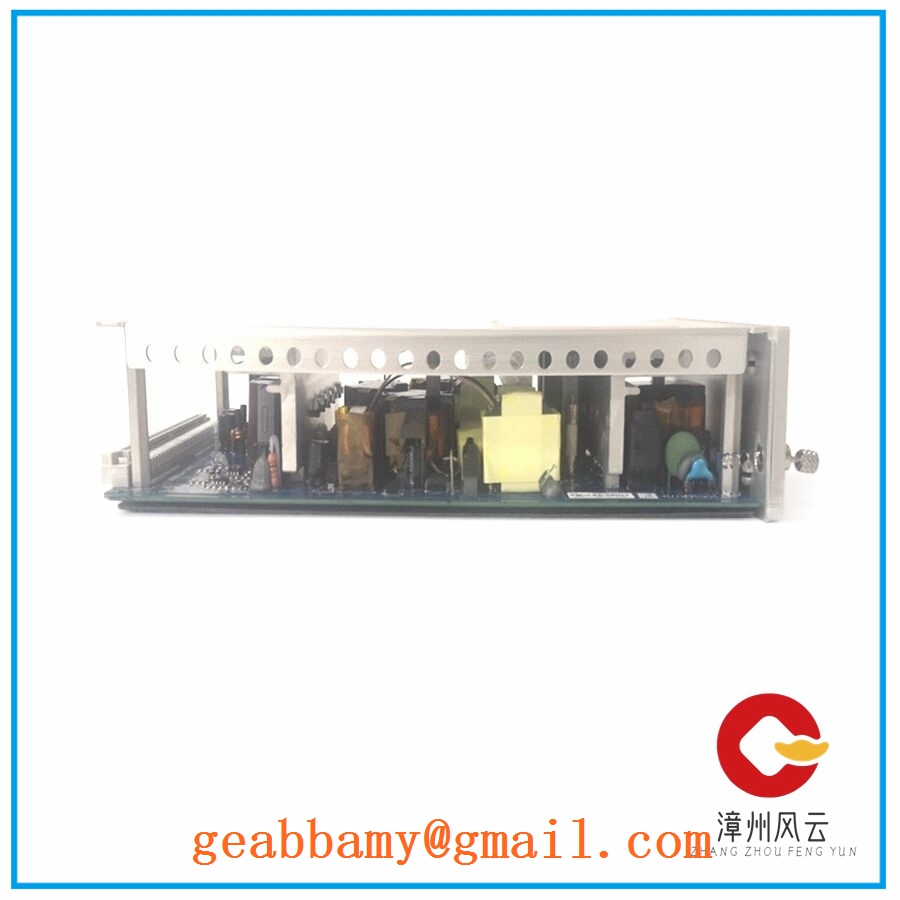
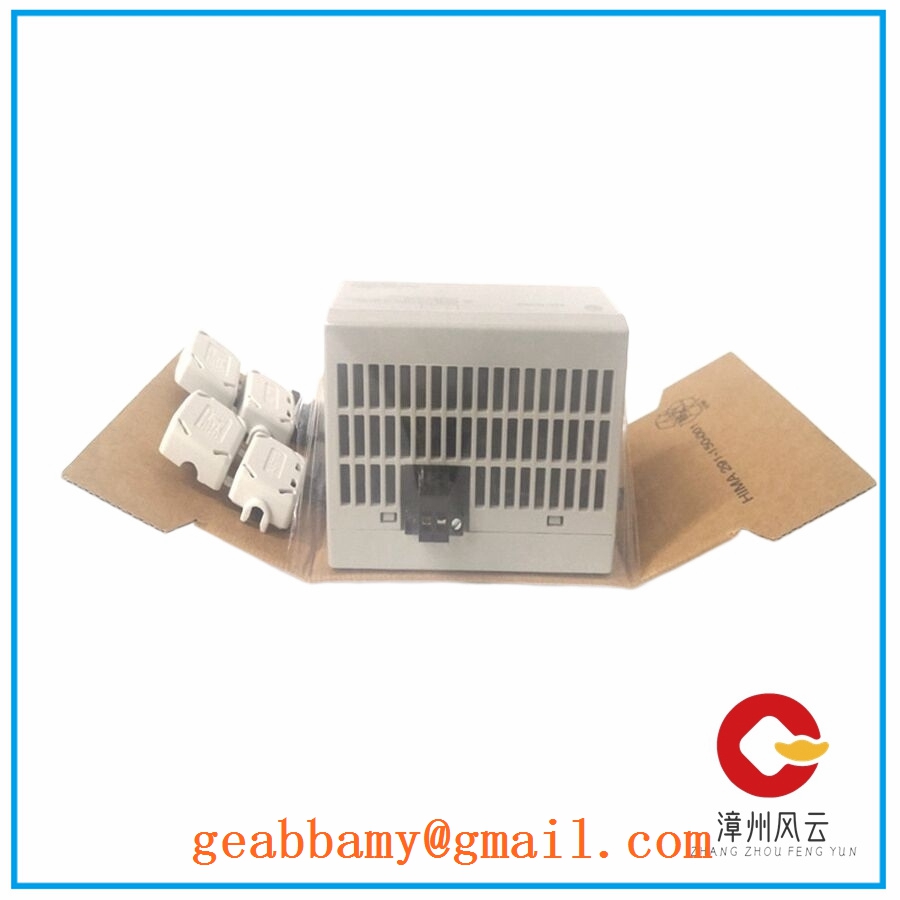
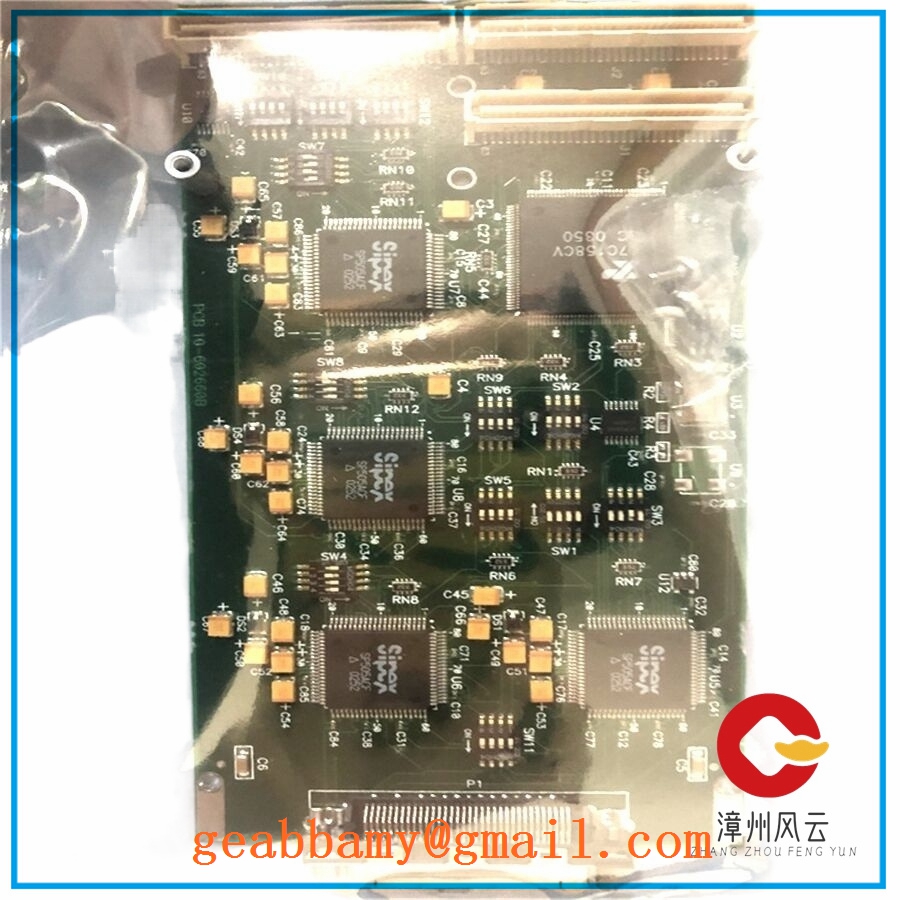
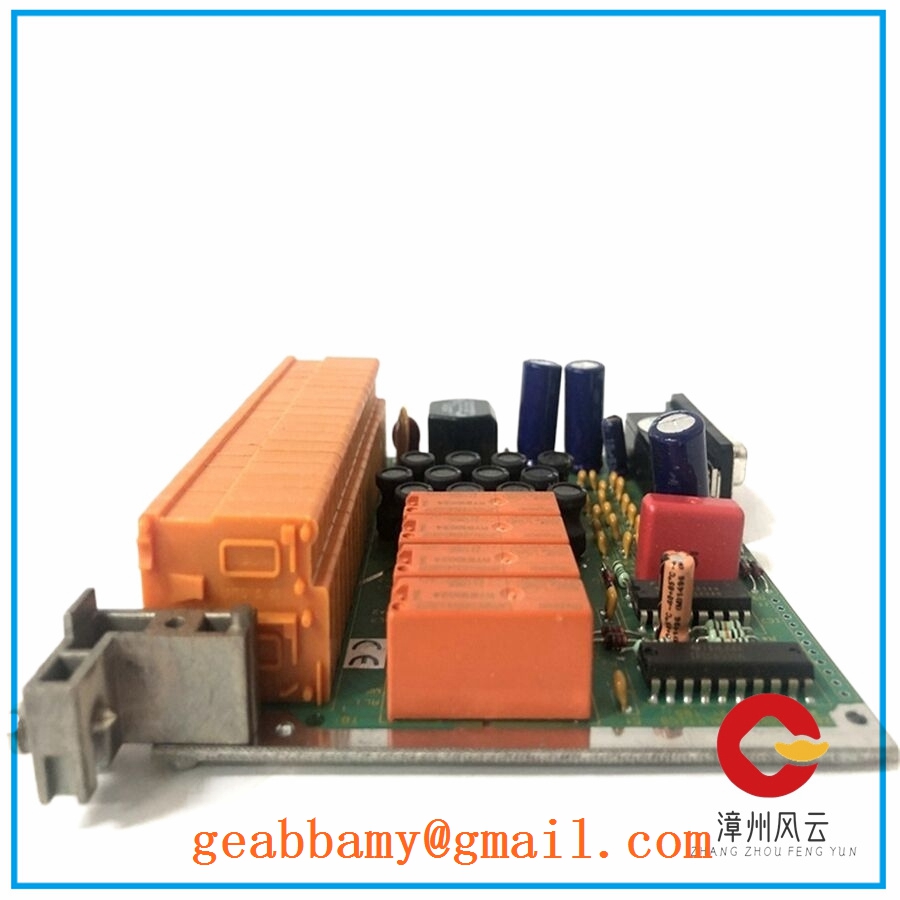
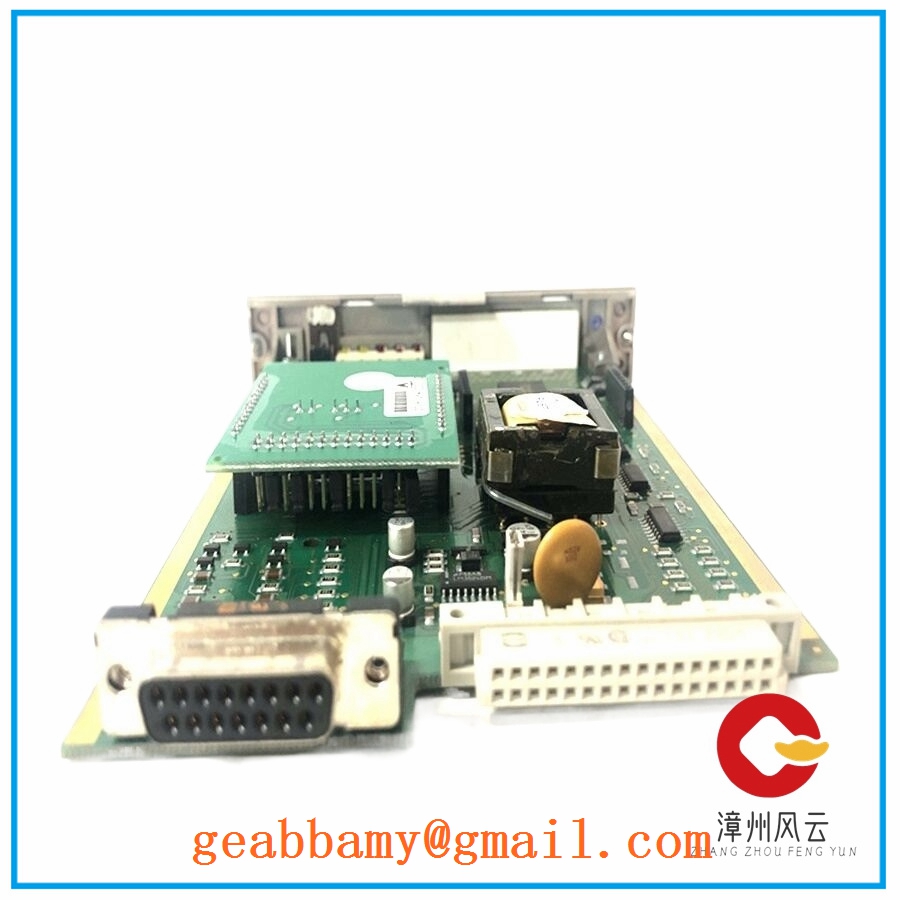
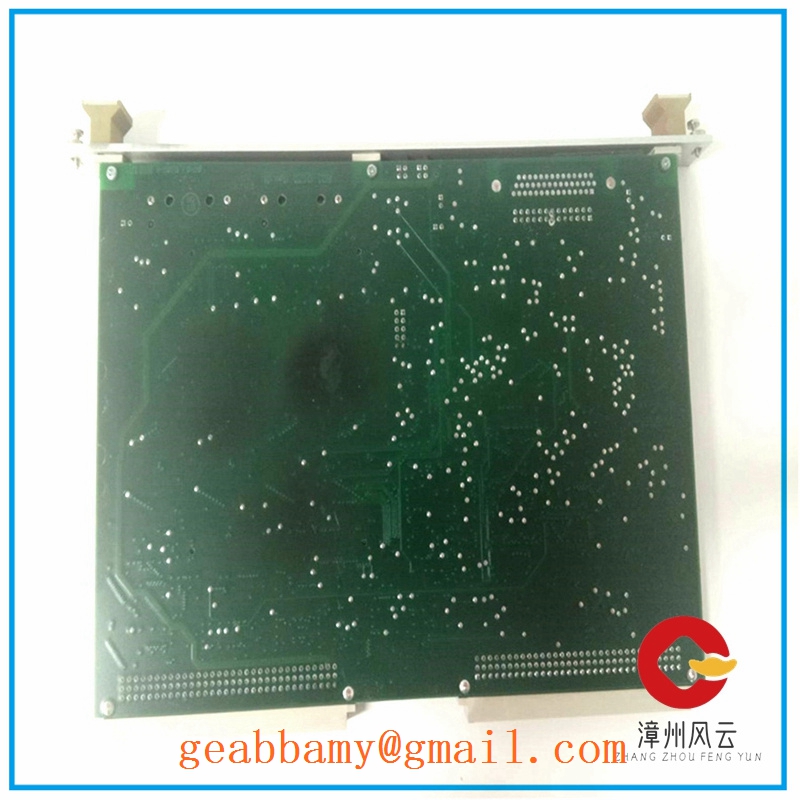
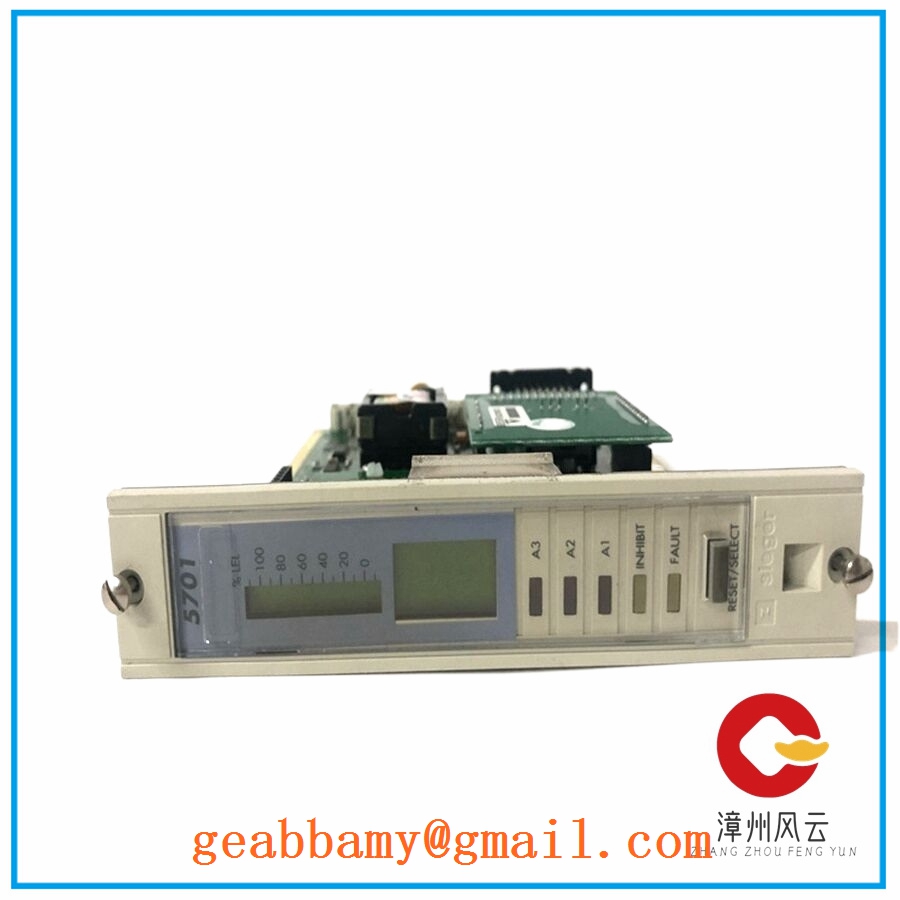
The YOKOGAWA AIP591 is an optical communication transceiver associated with Yokogawa CENTUM CS and CENTUM VP distributed control systems. It is designed for V-Net communication networks and is used with compatible V-Net repeater hardware.
The module converts electrical V-Net communication signals into optical signals and converts received optical signals back into electrical signals. This allows communication links to extend beyond the limitations of conventional copper connections while reducing the effects of electromagnetic interference and ground-potential differences.
The AIP591 is suitable for industrial plants where reliable communication between distributed control equipment and remote network sections is required. Typical applications include petrochemical facilities, power stations, refineries, and other process automation installations.
Product Parameters
- Brand: YOKOGAWA
- Model: AIP591
- Product Name: V-Net Optical Transceiver Unit
- Product Category: Industrial Communication Module
- Compatible System: CENTUM CS / CENTUM VP, subject to hardware configuration
- Network: Yokogawa V-Net
- Main Function: Electrical-to-optical and optical-to-electrical signal conversion
- Communication Medium: Optical fiber
- Fiber Type: Confirm from the exact hardware version
- Optical Wavelength: Not independently verified
- Optical Transmission Distance: Depends on the transceiver version and fiber specification
- Number of Optical Ports: Confirm from the physical unit
- Connector Type: Confirm from the module label and connector arrangement
- Power Requirements: Confirm from the compatible repeater hardware documentation
- Mounting: Compatible V-Net repeater hardware
- Place of Manufacture: Japan association; verify the supplied unit label
- Product Status: Confirm the condition of the supplied unit
- Dimensions: Not independently verified
- Weight: Not independently verified
- Country of Origin: Verify from product label
- Discontinued Status: Confirm with YOKOGAWA
Main Features
- Optical communication interface for Yokogawa V-Net systems
- Converts electrical communication signals into optical signals
- Supports optical communication between compatible V-Net network sections
- Helps reduce electromagnetic interference on communication links
- Provides electrical isolation through the optical transmission medium
- Designed for use with compatible Yokogawa repeater equipment
- Suitable for distributed control system network maintenance and expansion
- Intended for industrial continuous-operation environments
Typical Applications
- CENTUM CS distributed control systems
- CENTUM VP process automation networks
- V-Net optical communication links
- Remote control station connections
- Petrochemical and refinery automation
- Power plant control networks
- Industrial process monitoring systems
- Long-distance communication between compatible control system nodes
Installation and Commissioning
- Verify the complete AIP591 model designation and inspect the product label.
- Confirm that the installed system uses compatible Yokogawa V-Net repeater hardware.
- Check the exact AIP591 version and suffix before selecting a replacement.
- Isolate power according to the approved maintenance procedure.
- Inspect the optical connectors for dust, scratches, or contamination.
- Confirm the fiber type, connector type, wavelength, and transmission-distance requirements.
- Connect the optical fiber according to the system wiring diagram, checking transmit and receive polarity.
- Install the transceiver in the designated repeater position.
- Restore power and check the module status indicators.
- Verify V-Net communication between the connected network sections.
- Monitor communication alarms and link stability before returning the system to normal operation.
Important: AIP591 should not be treated as a standard Ethernet SFP transceiver. Confirm the compatible Yokogawa repeater hardware and optical specifications before installation. Do not assume AIP591, AIP591-S1, and other suffix versions are interchangeable.
Daily Maintenance and Care
- Inspect optical connectors for dust and contamination.
- Keep unused fiber ports protected with suitable dust caps.
- Check optical fiber cables for excessive bending or mechanical damage.
- Monitor communication status and network alarms.
- Inspect module connectors and mounting arrangements.
- Check the repeater power supply and associated hardware.
- Record intermittent communication faults and link interruptions.
- Keep the control cabinet clean and within the specified environmental limits.
Troubleshooting and Common Questions
Q1: What is the function of the YOKOGAWA AIP591?
A: It converts electrical V-Net communication signals into optical signals and converts received optical signals back into electrical signals.
Q2: Which control systems use the AIP591?
A: It is associated with Yokogawa CENTUM CS and CENTUM VP systems using compatible V-Net repeater hardware.
Q3: Is the AIP591 an analog input or output module?
A: No. It is a communication transceiver, not a conventional analog or digital I/O module.
Q4: Can the AIP591 be installed in a standard Ethernet switch?
A: It should not be treated as a standard Ethernet SFP. It is designed for compatible Yokogawa V-Net repeater equipment.
Q5: What should be checked if communication is interrupted?
A: Check repeater power, module installation, optical fiber continuity, connector cleanliness, transmit/receive polarity, and compatibility between the transceivers at both ends.
Q6: Can AIP591 and AIP591-S1 be used interchangeably?
A: Interchangeability has not been independently established. Confirm the complete style code, hardware revision, optical interface, and host repeater compatibility.
Q7: What information is needed before ordering a replacement?
A: Confirm the complete model and suffix, PCB or housing label, optical connector arrangement, fiber type, and the installed V-Net repeater model.
Safety Precautions
- Follow Yokogawa system maintenance instructions.
- Isolate power before removing or installing the module unless an approved online replacement procedure applies.
- Never look directly into an active optical transmitter or fiber connector.
- Clean optical connectors using approved fiber-optic cleaning equipment.
- Do not exceed the specified optical fiber bending radius.
- Confirm transceiver compatibility before reconnecting the V-Net network.
- Perform communication checks before returning the control system to service.
Recommended Related YOKOGAWA Models
- AIP591-S1 – V-Net optical transceiver unit, style-specific version
- AIP592 – Related optical communication hardware reference; verify exact configuration
- AIP571 – Electrical transceiver for RIO communication
- AIP571-S1 – Electrical transceiver, style-specific version
- AIP578 – Optical link transceiver reference
- AIP502 – V-Net coupler module
- AIP502-S1 – V-Net coupler, style-specific version
- AIP503 – V-Net repeater-related communication hardware
- AIP521 – Control bus coupler module
- AIP521-S1 – Control bus coupler, style-specific version
- AIP121 – V-Net repeater hardware reference
- AIP122 – V-Net repeater hardware reference
- AIP123 – V-Net repeater hardware reference
- YNT522 – V-Net repeater-related hardware reference
- AIP578-S1 – Optical communication hardware reference